Buy freevip.eu ?
We are moving the project
freevip.eu .
Are you interested in purchasing the domain
freevip.eu ?
domain@kv-gmbh.de · 0541-91531010
Buy freevip.eu ?
What are participles?
Participles are verb forms that can function as adjectives or adverbs in a sentence. They are formed by adding -ing, -ed, -en, or -t to the base form of a verb. Participles can be used to create verb tenses, such as the present participle (ending in -ing) and the past participle (ending in -ed, -en, or -t). They can also be used to provide additional information about a noun or pronoun in a sentence. **
What participles are there?
Participles are verb forms that can function as adjectives in a sentence. In English, there are two main types of participles: present participles and past participles. Present participles are formed by adding "-ing" to the base form of the verb (e.g., running, eating), while past participles are often formed by adding "-ed," "-d," "-t," "-en," or "-n" to the base form of the verb (e.g., walked, played, seen). These participles can be used to provide additional information about a noun or pronoun in a sentence. **


Similar search terms for Participles
Top-Angebote
Products related to Participles:
-
Unique e Luxury Izmir perfume extract U 100 mlUnique'e Luxury Izmir, 100 ml, Perfumes for Men, Treat yourself to a fragrance that will make you stand out in every situation. Unique'e Luxury Izmir unisex perfume is an embodiment of exclusive luxury and its intricate composition will delight even the most discerning fragrance lovers. citrus fragrance woody fragrance unisex – suitable for both women and men121,00 £*Shipping: 3,99 £Secure redirect to the provider
-
Unique e Luxury Akdeniz perfume extract U 100 mlUnique'e Luxury Akdeniz, 100 ml, Perfumes unisex, Get ready for relentless questions. Unique'e Luxury Akdeniz unisex perfume will make everyone around you wonder what you’re wearing and its sophisticated composition will hypnotize every passer-by aromatic fragrance with herbal notes citrus fragrance aquatic fragrance with oceanic notes unisex – suitable for both women and men156,40 £*Shipping: 3,99 £Secure redirect to the provider
-
Unique e Luxury Beril perfume extract U 100 mlUnique'e Luxury Beril, 100 ml, Perfumes unisex, Unique'e Luxury Beril unisex perfume is a new addiction you’ll simply refuse to give up. It will reveal all the different sides of your psyche and perfectly underscore your unique charisma. floral fragrance citrus fragrance spicy fragrance unisex – suitable for both women and men177,65 £*Shipping: 3,99 £Secure redirect to the provider
-
Unique e Luxury Kutay perfume extract U 100 mlUnique'e Luxury Kutay, 100 ml, Perfumes unisex, Don’t be afraid to break old rules. Unique'e Luxury Kutay unisex perfume is amazing for anyone who dares to stand out from the crowd. fougère fragrance woody fragrance unisex – suitable for both women and men159,80 £*Shipping: 3,99 £Secure redirect to the provider


-
Are English participles difficult?
English participles can be challenging for some learners due to their various forms and functions. Understanding when to use present participles (-ing form) versus past participles (-ed form) can be confusing, as well as knowing how to form irregular participles. However, with practice and exposure to different examples, mastering English participles is achievable. It is important to pay attention to context and usage to effectively use participles in writing and speaking. **
-
What are participles in Latin?
Participles in Latin are verbal adjectives that are formed from a verb and have both verbal and adjectival qualities. They can be used to describe actions or states in a more descriptive way than simple verbs. Latin has three main types of participles: present, perfect, and future. Participles can be used in various ways in Latin sentences, such as to indicate simultaneous actions, cause and effect relationships, or to provide additional information about a noun. **
-
How are participles formed in Latin?
Participles in Latin are formed by adding specific endings to the stem of the verb. There are three main types of participles in Latin: present active participles, perfect passive participles, and future active participles. Each type has its own set of endings that are added to the verb stem to create the participle form. These participles can then be used to convey various verbal aspects and functions in Latin sentences. **
-
How are participles determined in Latin?
Participles in Latin are determined by the stem of the verb and the appropriate ending that corresponds to the gender, number, and case of the noun they modify. There are three main types of participles in Latin: present active participles, perfect passive participles, and future active participles. Each type follows specific rules for formation and agreement with the noun they modify. Additionally, participles can also have tense, voice, and aspect distinctions that further determine their form and function in a sentence. **

What are the participles in Ancient Greek?
In Ancient Greek, participles are verbal adjectives that can be used to describe a noun or pronoun. They are formed from the stem of a verb and typically indicate actions or states that are ongoing or completed. Participles in Ancient Greek can be classified into three main categories: present participles, aorist participles, and perfect participles. These participles can also have various forms depending on the gender, number, and case of the noun they are describing. **
How to recognize participles and their referents?
Participles are verb forms that can function as adjectives in a sentence. To recognize participles and their referents, look for words ending in -ing, -ed, -en, or -t that are used to describe a noun. The referent of a participle is the noun that the participle is modifying or describing. By identifying the participle and understanding its relationship to the noun it is modifying, you can recognize participles and their referents in a sentence. **
Top-Angebote
Products related to Participles:
-
Unique e Luxury Beverly Hills Exclusive perfume extract U 100 mlUnique'e Luxury Beverly Hills Exclusive, 100 ml, Perfumes unisex, Heading for a date, a party, or just meeting some friends? Unique'e Luxury Beverly Hills Exclusive unisex Eau de Parfum is the right choice in any situation. Discover a fragrance that will always bring out your unique charisma. for those with unconventional style unisex – suitable for both women and men153,85 £*Shipping: 3,99 £Secure redirect to the provider
-
Unique e Luxury Istanbul perfume extract U 100 mlUnique'e Luxury Istanbul, 100 ml, Perfumes unisex, Unique'e Luxury Istanbul unisex perfume is a new addiction you’ll simply refuse to give up. It will reveal all the different sides of your psyche and perfectly underscore your unique charisma. sweet fragrance fruity fragrance gourmand fragrance unisex – suitable for both women and men130,90 £*Shipping: 3,99 £Secure redirect to the provider
-
Unique e Luxury Izmir perfume extract U 100 mlUnique'e Luxury Izmir, 100 ml, Perfumes for Men, Treat yourself to a fragrance that will make you stand out in every situation. Unique'e Luxury Izmir unisex perfume is an embodiment of exclusive luxury and its intricate composition will delight even the most discerning fragrance lovers. citrus fragrance woody fragrance unisex – suitable for both women and men121,00 £*Shipping: 3,99 £Secure redirect to the provider
-
Unique e Luxury Akdeniz perfume extract U 100 mlUnique'e Luxury Akdeniz, 100 ml, Perfumes unisex, Get ready for relentless questions. Unique'e Luxury Akdeniz unisex perfume will make everyone around you wonder what you’re wearing and its sophisticated composition will hypnotize every passer-by aromatic fragrance with herbal notes citrus fragrance aquatic fragrance with oceanic notes unisex – suitable for both women and men156,40 £*Shipping: 3,99 £Secure redirect to the provider
-
What are participles?
Participles are verb forms that can function as adjectives or adverbs in a sentence. They are formed by adding -ing, -ed, -en, or -t to the base form of a verb. Participles can be used to create verb tenses, such as the present participle (ending in -ing) and the past participle (ending in -ed, -en, or -t). They can also be used to provide additional information about a noun or pronoun in a sentence. **
-
What participles are there?
Participles are verb forms that can function as adjectives in a sentence. In English, there are two main types of participles: present participles and past participles. Present participles are formed by adding "-ing" to the base form of the verb (e.g., running, eating), while past participles are often formed by adding "-ed," "-d," "-t," "-en," or "-n" to the base form of the verb (e.g., walked, played, seen). These participles can be used to provide additional information about a noun or pronoun in a sentence. **
-
Are English participles difficult?
English participles can be challenging for some learners due to their various forms and functions. Understanding when to use present participles (-ing form) versus past participles (-ed form) can be confusing, as well as knowing how to form irregular participles. However, with practice and exposure to different examples, mastering English participles is achievable. It is important to pay attention to context and usage to effectively use participles in writing and speaking. **
-
What are participles in Latin?
Participles in Latin are verbal adjectives that are formed from a verb and have both verbal and adjectival qualities. They can be used to describe actions or states in a more descriptive way than simple verbs. Latin has three main types of participles: present, perfect, and future. Participles can be used in various ways in Latin sentences, such as to indicate simultaneous actions, cause and effect relationships, or to provide additional information about a noun. **
Similar search terms for Participles
-
Unique e Luxury Beril perfume extract U 100 mlUnique'e Luxury Beril, 100 ml, Perfumes unisex, Unique'e Luxury Beril unisex perfume is a new addiction you’ll simply refuse to give up. It will reveal all the different sides of your psyche and perfectly underscore your unique charisma. floral fragrance citrus fragrance spicy fragrance unisex – suitable for both women and men177,65 £*Shipping: 3,99 £Secure redirect to the provider
-
Unique e Luxury Kutay perfume extract U 100 mlUnique'e Luxury Kutay, 100 ml, Perfumes unisex, Don’t be afraid to break old rules. Unique'e Luxury Kutay unisex perfume is amazing for anyone who dares to stand out from the crowd. fougère fragrance woody fragrance unisex – suitable for both women and men159,80 £*Shipping: 3,99 £Secure redirect to the provider
-
Unique e Luxury Chypre Toscano perfume extract U 100 mlUnique'e Luxury Chypre Toscano, 100 ml, Perfumes unisex, Discover pure luxury in a bottle. Unique'e Luxury Chypre Toscano unisex perfume has a completely inimitable scent that will get you the exact kind of attention you want. woody fragrance spicy fragrance leather fragrance chypre fragrance unisex – suitable for both women and men115,00 £*Shipping: 3,99 £Secure redirect to the provider
-
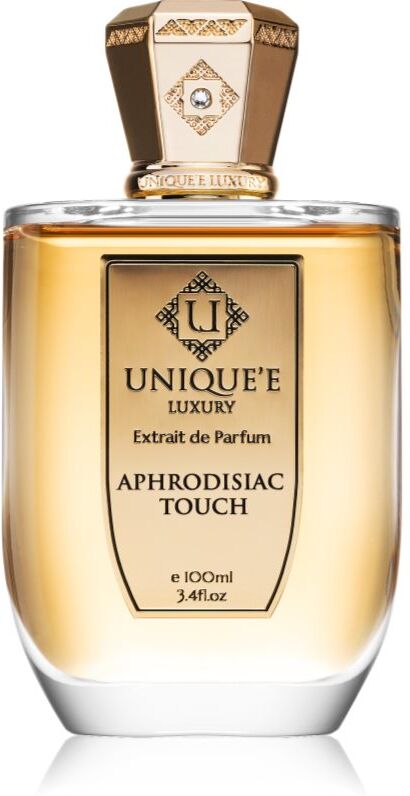
Unique e Luxury Aphrodisiac Touch perfume extract U 100 mlUnique'e Luxury Aphrodisiac Touch, 100 ml, Perfumes unisex, Discover pure luxury in a bottle. Unique'e Luxury Aphrodisiac Touch unisex perfume has a completely inimitable scent that will get you the exact kind of attention you want. spicy fragrance powdery fragrance gourmand fragrance woody fragrance unisex – suitable for both women and men133,00 £*Shipping: 3,99 £Secure redirect to the provider
-
How are participles formed in Latin?
Participles in Latin are formed by adding specific endings to the stem of the verb. There are three main types of participles in Latin: present active participles, perfect passive participles, and future active participles. Each type has its own set of endings that are added to the verb stem to create the participle form. These participles can then be used to convey various verbal aspects and functions in Latin sentences. **
-
How are participles determined in Latin?
Participles in Latin are determined by the stem of the verb and the appropriate ending that corresponds to the gender, number, and case of the noun they modify. There are three main types of participles in Latin: present active participles, perfect passive participles, and future active participles. Each type follows specific rules for formation and agreement with the noun they modify. Additionally, participles can also have tense, voice, and aspect distinctions that further determine their form and function in a sentence. **
-
What are the participles in Ancient Greek?
In Ancient Greek, participles are verbal adjectives that can be used to describe a noun or pronoun. They are formed from the stem of a verb and typically indicate actions or states that are ongoing or completed. Participles in Ancient Greek can be classified into three main categories: present participles, aorist participles, and perfect participles. These participles can also have various forms depending on the gender, number, and case of the noun they are describing. **
-
How to recognize participles and their referents?
Participles are verb forms that can function as adjectives in a sentence. To recognize participles and their referents, look for words ending in -ing, -ed, -en, or -t that are used to describe a noun. The referent of a participle is the noun that the participle is modifying or describing. By identifying the participle and understanding its relationship to the noun it is modifying, you can recognize participles and their referents in a sentence. **
* All prices are inclusive of VAT and, if applicable, plus shipping costs. The offer information is based on the details provided by the respective shop and is updated through automated processes. Real-time updates do not occur, so deviations can occur in individual cases. ** Note: Parts of this content were created by AI.